About Indie Dogs
Bro, Indie dogs—like people call them Desi dogs or Indian Pariah or whatever—are so awesome but nobody really talks about them. They’re like those street and village dogs you see everywhere in India, been here forever, surviving all kinds of crazy weather and stuff. They not some fancy-bred or designer dog, nah… they just been living, hustling, and chilling with humans for like, thousands of years. People don’t even realize how cool and tough they are.
You know what makes indie dogs special? I keep thinking… they’re just smart in a way that surprises you. They learn stuff quick, like, you show them once and they kinda just get it. They’re street-smart too, like they just know how to handle themselves. And honestly, they don’t get sick that much, not like those pedigree dogs with all the health drama. Maybe it’s ’cause they grew up natural, no fancy breeding or anything. They’re medium-sized, pretty athletic, ears kinda pointy, short coats that just fit India’s weather. And they don’t need much grooming either… makes you wonder why more people don’t see how great they are.
Beyond their physical traits, indie dogs carry a kind of wisdom in their eyes—a quiet understanding of struggle and gratitude. Many of them come from hard beginnings on the streets, yet when offered love and security, they respond with unshakable loyalty and affection. They bond deeply with their families, often becoming excellent watchdogs and gentle companions at the same time.
Adopting an indie dog… it’s not just getting a pet, you know? It’s more like giving a dog that actually deserves it a second shot… and kinda bringing a piece of India with you. They just need love, some attention, a bit of space to run around… and dude, they’ll give you loyalty like nothing else… seriously, they don’t play around with that.
Indie dogs symbolize resilience, adaptability, and authenticity. They remind us that beauty doesn’t have to be bred to perfection and that the most extraordinary companions are sometimes the ones overlooked on the streets. Choosing an indie dog means choosing loyalty, intelligence, and a friend who will stand by you, rain or shine, without asking for anything but your care in return.
In India, the term “Indie dogs” (or Indian Pariah dogs/Desi dogs) primarily refers to the native, free-breeding dogs found across the country. While they’re all part of the same broad category, you can notice some regional variations and types among them.
Indian Pariah Dog (True Indie)
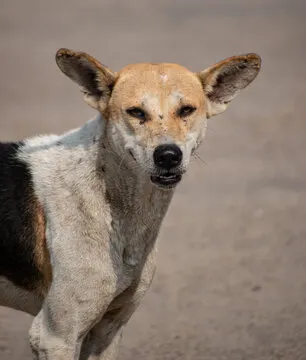
The Indian Pariah Dog, often called the True Indie, is one of the oldest and most resilient dog breeds in the world. Native to the Indian subcontinent, this breed has lived alongside humans for thousands of years, evolving naturally without human-controlled breeding. Its survival through generations in diverse environments has made it an incredibly hardy, intelligent, and adaptable companion.
Indian Pariah Dogs are medium-sized, with a wedge-shaped head, erect ears, and a curved tail. Their short coat is low-maintenance and suited to India’s hot, humid climate. They come in various colors—brown, tan, black, or mixed shades—and their athletic build makes them agile and energetic.
You know what really makes a Pariah Dog… a Pariah Dog? It’s their temperament, man… They’re crazy loyal, always protective of their people, and pick up stuff fast. And the wild part? They’re super street-smart, so they make awesome watchdogs without being all aggressive for no reason. Plus… they’re way healthier than a lot of those pedigree dogs… like, natural selection did its thing and made them tough against all sorts of genetic problems… makes you respect them even more, right?
Adopting an Indian Pariah Dog is an act of compassion and pride. They thrive on love, attention, and a safe home, offering unconditional affection in return. Choosing a True Indie celebrates India’s heritage while giving a deserving animal a chance to live and love.
Rajapalayam
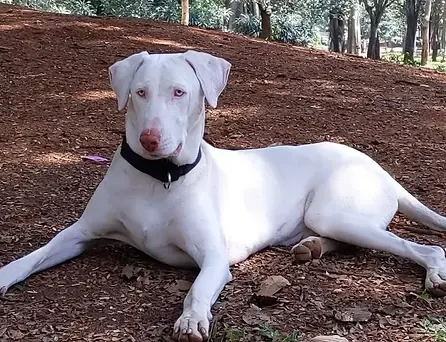
The Rajapalayam is a majestic and historic dog breed from Tamil Nadu, India, renowned for its elegance, loyalty, and strength. Named after the town of Rajapalayam, this breed has a rich legacy as a royal companion and a fearless guard dog. Traditionally, Rajapalayams were used by kings and nobles for hunting boar and as protectors of palaces and farmlands.
Rajapalayams are large, muscular, and graceful, with a striking all-white coat, a pink nose, and golden or amber eyes. Their strong, athletic build and deep chest give them both speed and stamina, making them excellent hunters and watchdogs. Despite their imposing appearance, they are gentle and affectionate toward their families, forming deep bonds with their human companions.
These dogs are known for their loyalty and protective nature. They are naturally wary of strangers, which makes them outstanding guard dogs. However, with proper socialization, they can be friendly and adaptable. Rajapalayams are intelligent and independent thinkers, which means they require patient training and consistent care.
Rajapalayams… man, they’re like made for India, you know? The weather, the heat, all that… they handle it like nothing. They’re not just dogs, they kinda show off India’s whole dog heritage… and honestly, they’re pretty regal-looking too. Makes you feel proud, I dunno… like, they’re tough, beautiful, and real—none of that fake pedigree stuff.
Kanni
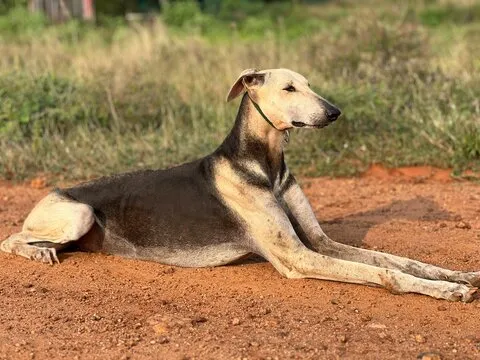
The Kanni is a rare and elegant native dog breed from Tamil Nadu, India, admired for its loyalty, agility, and cultural heritage. Its name means “pure” or “virgin” in Tamil, symbolizing faithfulness. Traditionally, Kannis were gifted to brides as symbols of protection and devotion, earning them the nickname “Maiden’s Beastmaster.”
Medium-sized and slender, Kannis are sighthounds known for their speed and endurance. Their athletic build, deep chest, and long legs make them excellent hunters, especially of hares and small game. Most Kannis are black-and-tan, though sable and brown variations exist. Their appearance and swift movements resemble Greyhounds, reflecting their natural grace and agility.
Kannis are deeply loyal to their families and often form strong bonds with a single person. They are gentle and affectionate with trusted companions but can be reserved around strangers, making them dependable watchdogs. Their short coats require minimal grooming, but their high energy levels mean they need regular exercise and space to run.
Mudhol Hound (Caravan Hound)
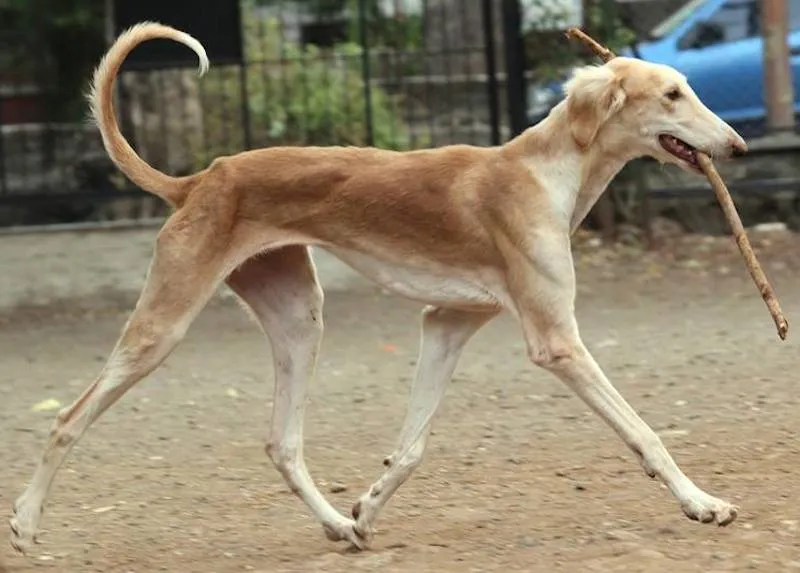
The Mudhol Hound, also called the Caravan Hound, is a proud and agile native breed from Karnataka and Maharashtra. Known for its speed, stamina, and regal bearing, this sighthound was traditionally used by caravans and hunters to chase game across vast plains. Its lean, muscular frame, long legs, and deep chest give it an impressive athletic ability, while its narrow head and alert expression reflect intelligence and awareness. Mudhol Hounds are usually short-coated in shades like fawn, brindle, or cream, making them low-maintenance in grooming and well-suited to India’s warm climate.
Mudhol Hounds… they’re not just fast and strong or anything. They’re really loyal and super affectionate with their people. They stay cautious around strangers, so they make good watchdogs without being aggressive. They need space to run, like a lot, to stay happy and healthy. And they’re pretty independent, so training has to be gentle but consistent… can’t just boss them around.
The Mudhol Hound is also recognized by India’s postal department and armed forces as a symbol of native pride. By choosing this breed, dog lovers help preserve an important part of India’s canine heritage—a living link to history, tradition, and the enduring spirit of resilience.
Himalayan Sheepdog (Bhutia or Gaddi)
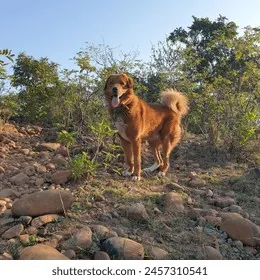
The Himalayan Sheepdog, also known as the Bhutia or Gaddi, is a powerful and loyal working breed native to the mountainous regions of Northern India, especially Himachal Pradesh and Uttarakhand. Bred by local shepherds, these dogs have long been trusted protectors of livestock, guarding sheep and goats from predators like leopards and wolves. Their dense double coat, which can range from black to brown or tan, keeps them warm in frigid alpine conditions, while their sturdy build and sure-footedness allow them to navigate rugged terrain with ease.
Himalayan Sheepdogs… they’re brave and super devoted. They get really close to their families and are nice with kids, but they’re careful around strangers, so yeah… good watchdogs. They’ve got that protective side, but they’re also calm and affectionate… just need proper socializing to be the perfect companion.
These dogs require space, regular exercise, and mental stimulation, as their working heritage gives them high energy levels and intelligence. Grooming is necessary to maintain their thick coat, especially during shedding seasons.
As a native breed, the Himalayan Sheepdog is well-adapted to local conditions and relatively hardy. Preserving this breed supports the cultural and pastoral traditions of India’s hill communities while honoring a lineage of strength and loyalty.
Combai (Indian Bear Hound)
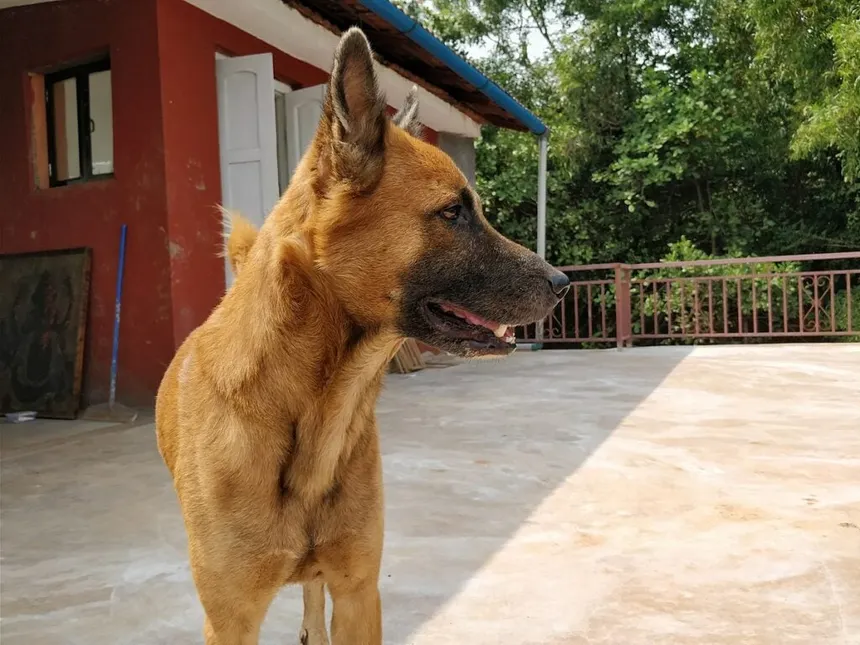
The Combai, also known as the Indian Bear Hound, is a powerful and courageous native breed from Tamil Nadu, India. Historically used by hunters and warriors, the Combai was renowned for its ability to take on large and dangerous prey such as wild boars and even bears—hence its name. This breed has been a loyal protector of farmlands and families for centuries, symbolizing strength and bravery in southern India’s cultural heritage.
Combais are medium to large in size, with a sturdy, muscular build and a short, dense coat that is usually reddish-brown or tan. Their broad head, strong jaws, and expressive eyes give them a striking and confident appearance. They are agile and athletic, perfectly suited to rough terrain and challenging tasks.
Known for their fierce loyalty, Combais are incredibly protective of their families and territory. They are naturally alert and make exceptional guard dogs, yet they are affectionate and gentle toward those they trust. Proper training and early socialization are important to ensure their independent and strong-willed nature is well-managed.
Combai dogs… they’re tough and totally built for India’s weather. They need plenty of exercise and something to keep their brains busy. Keeping this breed around isn’t just about dogs—it’s about keeping a piece of India’s dog heritage and old rural traditions alive.
Rampur Greyhound
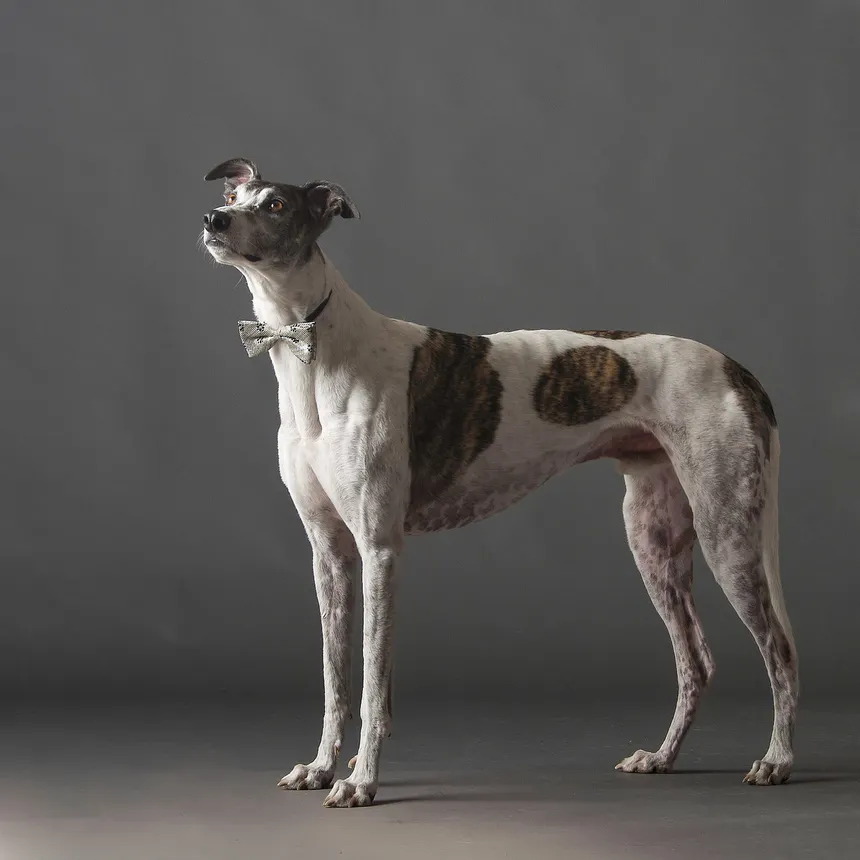
The Rampur Greyhound is a distinguished and athletic native breed from Rampur in northern India, celebrated for its remarkable speed, endurance, and hunting prowess. Once favored by Indian royalty and nobility, this sighthound was traditionally used to hunt jackals, deer, and other swift prey across the plains. Its impressive agility and stamina made it an essential companion for hunters and a symbol of elegance and strength.
Rampur Greyhounds are tall and slender, with a sleek, muscular build and long, powerful legs. Their narrow head, pointed muzzle, and expressive eyes give them a graceful yet alert appearance. Their short, smooth coat—usually in shades of gray, brindle, or brown—is easy to maintain and well-suited to India’s warm climate.
Beyond their physical abilities, Rampur Greyhounds are gentle and affectionate with their families. They are known for their loyalty and can form strong bonds with their owners, though they may be reserved around strangers. These dogs have a calm, dignified demeanor indoors but need regular exercise and space to run outdoors to stay healthy and content.
As a native breed, the Rampur Greyhound represents India’s rich canine heritage. Promoting and preserving this breed helps protect an important part of the country’s history and showcases the remarkable qualities of India’s sighthounds.
Mixed or Regional Desi Variants
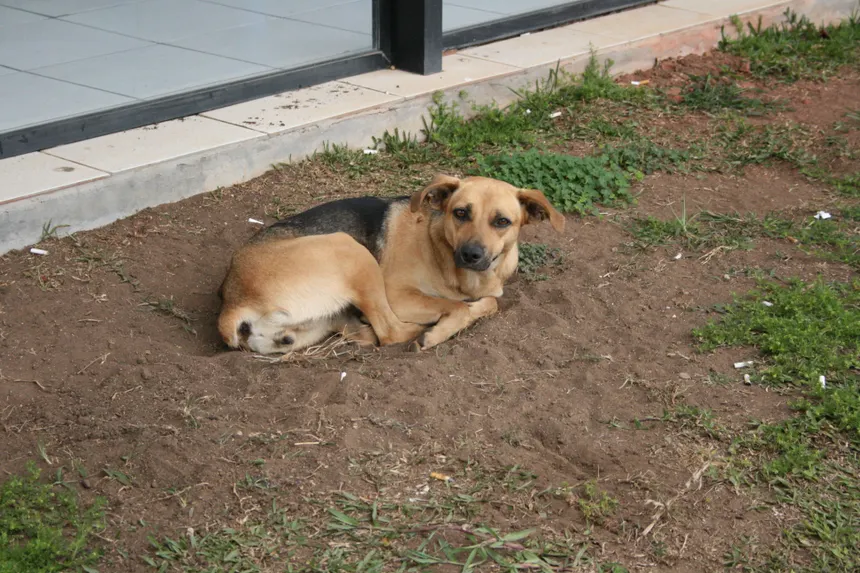
Mixed or regional Desi dogs represent the incredible diversity and resilience of India’s native canine population. These dogs are often free-breeding mixes of Indian Pariah dogs and other local or imported breeds, shaped naturally by their environment and survival instincts. Found in villages, towns, and cities across India, these dogs embody adaptability, intelligence, and resourcefulness.
Desi dogs come in a wide variety of sizes, colors, and coat patterns. Their appearance may differ from region to region, reflecting the genetic diversity of their lineage. Despite their differences, most share common traits: medium size, alert expressions, erect or semi-erect ears, and a robust, weather-resistant coat. Their hardy nature makes them well-suited to India’s climate, with fewer hereditary health issues compared to many pedigreed breeds.
Desi dogs… once they bond with their people, they’re super loyal and affectionate. They’re usually really smart and pick things up fast, so they make great companions and good watchdogs too. With some care, socializing, and training, they can do just as well in homes as any fancy pedigree dog.
Adopting a regional Desi dog is an act of compassion and pride. It not only saves a life but also supports the preservation of India’s native dog heritage, celebrating their resilience and unmatched companionship.
<--Back to Homepage